Healthy Daily Routine for Kids: Sleep, Food, Outdoor Play
U
Unknown AuthorAuthor
December 10, 2025Published
12 min readReading time
Creating a Healthy Daily Routine for Kids (That Actually Fits Your Real Life)
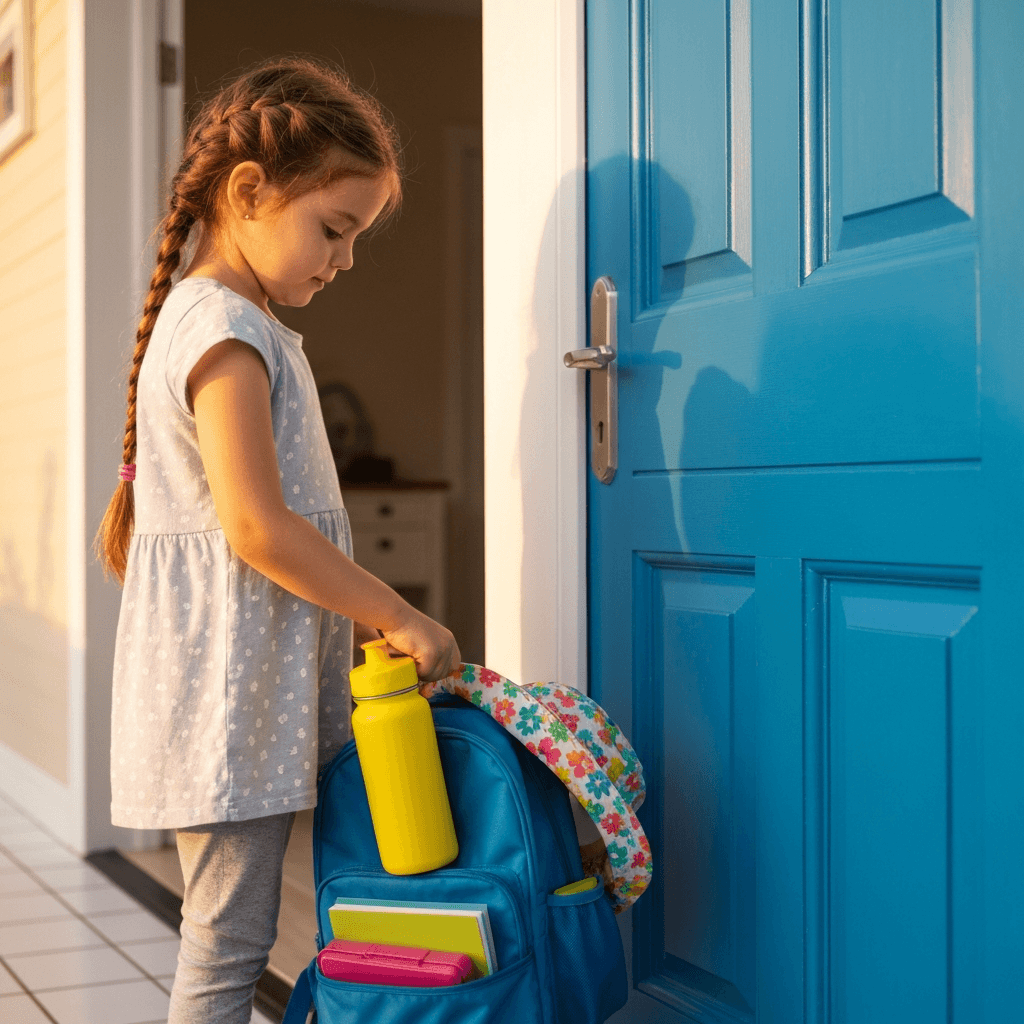
Not going to lie, my life feels full. It’s nonstop and generally chaotic. If you’re craving a healthy daily routine for kids that steadies your kids routine without fighting your reality, pull up a chair.
I call it friction. The good, shaping kind that builds capacity. Routines don’t erase chaos-they give it rails so we can keep going.
The anchors are simple-sleep, food, movement, play, connection. We’ll wrap them into a flexible routine that bends but doesn’t break. And because outdoor time and physical activity are medicine, we’ll make them easy to repeat.
Why Routines Matter (For Kids and For You)
Do you ever feel like the day runs you instead of the other way around? A healthy daily routine for kids isn’t perfection; it’s predictability that calms brains and bodies. Consistency makes room for a flexible routine when life throws elbows.
-
Kids feel safer with structure. Their behavior cues get clearer, and transitions get smoother.
-
You spend less decision-energy because the next step is already “decided.”
-
The day gets pockets of space-enough to breathe, enough to move, enough to laugh.
Kids depend on rhythm, and you deserve margin. A steady sleep schedule turns the lights down on meltdowns before they start.
Section 1: Core Elements of a Healthy Kids’ Routine
Think like a builder-simple beams, repeatable steps, generous give. These are the core elements of a healthy daily routine for kids that truly fits. Start here and your kids routine can exhale.
1) Consistent Sleep Schedule
Your sleep schedule is the engine. Guard bedtime and wake windows, and protect a predictable nap for littles. When evenings slide, nudge the clock earlier for a few days and watch behavior cues soften.
-
Toddlers: 1–2 naps transitioning to 1-anchor it and keep the room dark.
-
Preschoolers: Often no nap-build quiet time for body and brain rest.
-
Early elementary: Earlier bedtime than you think-consistency wins.
What matters isn’t identical times; it’s a recognizable beat your family can keep. That’s a flexible routine you can live with, and yes, the sleep schedule deserves top billing.
2) Balanced Nutrition and Realistic Meal Times
Balanced nutrition looks like color, protein and fiber, and water within reach. Keep meal times predictable-breakfast, snack, lunch, snack, dinner. Offer one familiar food and one stretch food so picky eating doesn’t run the house.
Hydration helps the sleep schedule and mood. Simple healthy snacks make a healthy daily routine for kids repeatable on the busiest days.
3) Physical Activity and Outdoor Time
Movement is magic for regulation and focus. Physical activity builds gross motor skills, and being outside adds light, air, and space for big feelings. Plan short bursts morning and late afternoon to dodge heat or homework meltdowns.
-
Aim for multiple bursts-10–15 minutes, several times a day-physical activity adds up.
-
Mix gross motor (scooters, bike ride, backyard tag) with fine motor (chalk, leaf collages).
-
Add wheels and wheels mean helmets-helmet safety becomes automatic.
Pack sunscreen, bug spray, and plan shade and water breaks so outside time is doable every day.
4) Quiet Time and Learning Activities
Quiet time is the reset that gives mom a minute. It’s how toddlers drop naps without turning feral by four. Try a calm-down corner with books, puzzles, or sensory play.
Learning activities don’t need to feel like school. Bake and count scoops, sort toys by color, or do a backyard nature scavenger hunt. The best kids routine weaves learning into life so curiosity sticks.
5) Social Interaction
Connection matters for language, empathy, and joy. Plan one intentional social interaction most days-library storytime, a park playdate, or a community class. Keep the rest open so your flexible routine can breathe.
If your week is already full, alternate days and lean on your parent community for low-lift ideas. Trusted recommendations save you from overcommitting.
Section 2: Build In Active Play and Exploration
Outside time isn’t a checkbox; it’s a daily story you write together. Physical activity outside stretches, strengthens, and shapes bodies and moods. Parks and trails give your child room to run and you room to breathe.
Why Outdoor Time Matters
-
Sunlight sets the sleep schedule and helps bedtime battles soften.
-
Unstructured physical activity fuels creativity and problem-solving.
-
Fresh air helps regulate emotions and resets a buzzy nervous system.
We choose it even when the couch calls. It’s not for everyone lol, but it’s the friction that grows us.
How to Find Age-Appropriate Activities and Spaces
You don’t need a grand plan; you need a map for parents that trims the guesswork. With Totmap, you can find local spots fast and filter for age-appropriate activities. The parent community shares what worked so you land where your kid will actually thrive.
-
Search for “playgrounds near me” that match toddler zones or climbing challenges.
-
Explore parks with stroller-friendly walks, restrooms, and shade.
-
Save indoor playground options and kids’ café ideas for heat or storms in family-friendly spaces.
-
Check user reviews and trusted recommendations from the parent community before you pack the car.
💡 Tip: Planning your weekend with kids? Check out the interactive map at Totmap.com-it highlights family-friendly spaces nearby and shows real reviews from parents like you.
Make Exploration Part of the Daily Rhythm
-
Morning: quick neighborhood loop-scooters, a nature walk, or a five-minute outside-time “mission.”
-
Afternoon: head to parks for a splash pad, swings, or open grass for free play.
-
Evening: a 10-minute backyard “adventure” before bath-water the garden, hunt for cloud shapes.
Keep a tiny backpack checklist-water, snacks, wipes, hat. Add a weather backup plan so outside time doesn’t collapse when clouds roll in.
Section 3: Practical Implementation Tips You’ll Actually Use
Let’s make it stick, not perfect. These routine tips are your scaffolding for a healthy daily routine for kids. Hold to a flexible routine and release the rest.
Start Small and Build Gradually
Begin with two anchors: a sleep schedule and one outside-time block. Run them for a week, then add predictable meal times. Slow builds last and keep everyone regulated.
-
Use a visual schedule or routine chart so kids see what’s next.
-
Name transitions out loud: “First snack, then shoes.”
-
Celebrate tiny wins-stickers for smooth get-out-the-door moments.
Flexibility Within Structure
A flexible routine keeps the order even when the clock shifts. Breakfast → play → snack → outside time → lunch → quiet time → learning activities → a play space or playdate → dinner → bedtime. Swap locations and keep your bandwidth in mind.
-
Rainy day swap: indoor playground or library storytime.
-
Hot day swap: morning wheels, afternoon crafts in the shade.
-
Tired day swap: short walk, then puzzles and a calm-down corner.
Involve Kids in Routine Creation
Ownership drives buy-in for any kids routine. Offer two choices of age-appropriate activities, not an open field. Give simple helper jobs-packing snacks, helmet checks, reading the family calendar.
Adapt by Age and Season
For a toddler routine, keep one nap, lots of sensory play, short outside bursts, and an early bedtime. A preschool routine thrives on quiet time instead of naps, richer learning activities, and longer playground sessions. For early elementary, add an after-school routine with homework-light learning, sports practice, or swim lessons and hold the sleep schedule steady.
Seasonal routines mean changing the clock, not the bones. Shift outside time earlier in summer, move to indoor play in storms, and chase winter sun when you can. Weekend tweaks for local events keep things fresh without breaking your flexible routine.
When You Travel With Kids
Travel with kids looks different, but the anchors still hold. Keep your sleep schedule beats, pack balanced nutrition as snacks, and protect outside time and quiet time even on airport days. Movement between segments counts as real physical activity.
-
Jet lag recovery: chase daylight, then get physical activity outside that first afternoon.
-
Packing snacks: think protein and fiber, plus hydration at every stop.
-
Find local spots fast with Totmap: green spaces near your stay, indoor play for rainy days, and kids’ cafés for a reset.
-
Transportation details: check parking tips, public transit to green spaces, stroller access, and restroom access in the parent community notes.
You don’t have to white-knuckle it. Use the tools.
Table: Simple Daily Rhythm Templates by Age
Use this as a starting point for a healthy daily routine for kids. Shift times and swap locations. Keep the bones.
| Age Group | Sleep Schedule | Meal Times | Physical Activity & Outdoor Play | Learning Activities | Quiet Time | Social Interaction | Notes |
|---|---|---|---|---|---|---|---|
| Toddler (1–3) | Wake 6:30–7:30, Nap 12:30–2, Bed 7:00–7:30 | B, S, L, S, D | 4–6 short bursts: stroller-friendly walks, splash pad, sandbox | Sorting, stacking, songs, sensory play | 45–60 min if dropping nap | Park hellos, library storytime | Keep snack basket ready; routine chart with pictures; supports a toddler routine |
| Preschool (3–5) | Wake 6:30–7:30, Rest 1:00–2:00 (no nap), Bed 7:30–8:00 | B, S, L, S, D | 3–5 medium bursts: scooter time, nature walk, playground | Counting in the kitchen, matching games, simple crafts | 45–60 min independent play | Class or playdate 2–3x/week | Helmet checks; sunscreen; bug spray seasonally; fits a preschool routine |
| Early Elementary (5–8) | Wake 6:30–7:30, Bed 8:00–8:30 | B, S (after school), D | 2–4 longer blocks: bike ride, green space, sports practice | Reading, puzzles, school-related projects | 20–30 min reading/relax | Team practice, community classes | After-school routine: snack → play → homework-light; keep the sleep schedule steady |
Key: B=Breakfast, S=Snack, L=Lunch, D=Dinner
Real-World Examples of Age-Appropriate Activities
You asked for ideas that meet kids where they’re at. Here are quick hits you can drop straight into your kids routine.
-
Toddlers: bubble chase in the driveway, water table, short loop to a playground, indoor play crawl, stacking blocks, scarf dancing.
-
Preschoolers: scooter time, nature scavenger hunt, chalk letters, library storytime, splash pad afternoon.
-
Early elementary: bike ride to a favorite green space, beginner sports practice, museum days, reading picnic, simple science experiments.
If the weather flips, pivot your flexible routine: move outside time earlier, add a kids’ café stop, or do mindful breathing exercises and a calm-down corner before dinner.
Signs Your Routine Is Working (Or Needs a Tweak)
Sometimes the only data you have is the vibe. You’ll feel it in the flow and the faces.
-
Working: smoother transitions, fewer meltdowns, quicker bedtime, steadier appetite, more independent play and social interaction.
-
Needs a tweak: constant wrestling at one transition, overtired evenings, skipping meals, wired-at-bedtime. Try adjusting the sleep schedule by 15 minutes, shifting meal times earlier, or adding one extra bout of physical activity outside.
This is iterative. It’s the friction I’ve chosen. And maybe that’s the secret.
A Simple Weekly Rhythm You Can Try
Want a plug-and-play start to a healthy daily routine for kids? Here’s a skeleton you can flex. Move pieces to fit your bandwidth.
-
Weekdays:
-
Morning routine: breakfast → outside loop (20–40 min) → snack → learning activities at home → nearby play space
-
Midday: lunch → quiet time (45–60 min) → creative play → snack
-
Afternoon: “playgrounds near me” in your list or backyard time → dinner → bath → bedtime
-
-
Weekends: pick one “adventure block” (museum days, nature walk, splash pad) and one slower home block. If you travel with kids on weekends, keep the order, not the hour.
Use Totmap to find local spots that match each block and your kids’ energy levels. You don’t need a dozen options-just 3–5 go-tos that you rotate.
Quick Routine Tips You’ll Come Back To
-
Name your anchors out loud: sleep schedule, meal times, outside time, quiet time.
-
Keep a trunk kit for green spaces: balls, chalk, wipes, spare hat, extra water.
-
Use a family calendar for drop-off and pick-up, sibling schedules, and caregiver handoff.
-
Micro-moves matter: five-minute dance party, hallway relay-physical activity adds up.
-
Screen time balance: pair screens with purpose (pack snacks together, then a 20-minute show).
-
Evening routine: dim lights after dinner, warm bath, two books, same lullaby.
-
Seasonal routines: shift outside time earlier in summer, layer up for winter sun bursts, indoor play when it pours.
-
Safety: quick scan on arrival (gates, shade, water), parking tips, restroom access, stroller access in your plan.
-
Use a map for parents to pre-save three family-friendly spaces you can reach in 10 minutes.
You don’t have to chase the easy. You build capacity by showing up to the hard things-gently, consistently, with humor.
A Final Word (From One Tired, Purposeful Parent to Another)
It’s hard. And it’s shaping you while you shape them. A healthy daily routine for kids is not a rigid schedule; it’s a gentle spine that holds the day upright so you can bend without breaking.
Start with a sleep schedule you can keep most days. Guard meal times. Get outside for real physical activity. Sprinkle in learning activities that feel like life, and protect quiet time so everyone recalibrates.
If you need fresh air and new places, open Totmap, find local spots in minutes, and let the parent community point you toward the good stuff-family-friendly spaces that fit your season, your kids, your bandwidth.
This is the friction we choose. The one that has stretched me, strengthened me, and shaped me. The one that has built the most meaningful life in our home.
Glossary of Anchors to Repeat (So It Sticks)
-
Healthy daily routine for kids: Sleep + food + movement + connection + rest.
-
Sleep schedule: Same beats, most days.
-
Balanced nutrition: Color, protein and fiber, hydration.
-
Meal times: Predictable and simple.
-
Physical activity: Many short bursts outside each day.
-
Quiet time: Rest for brains and bodies.
-
Learning activities: Woven into real life.
-
Social interaction: One connection point a day.
-
Flexible routine: Hold the order, move the clock.
Ready to Find the Perfect Preschool?
Start browsing preschools in your area today.